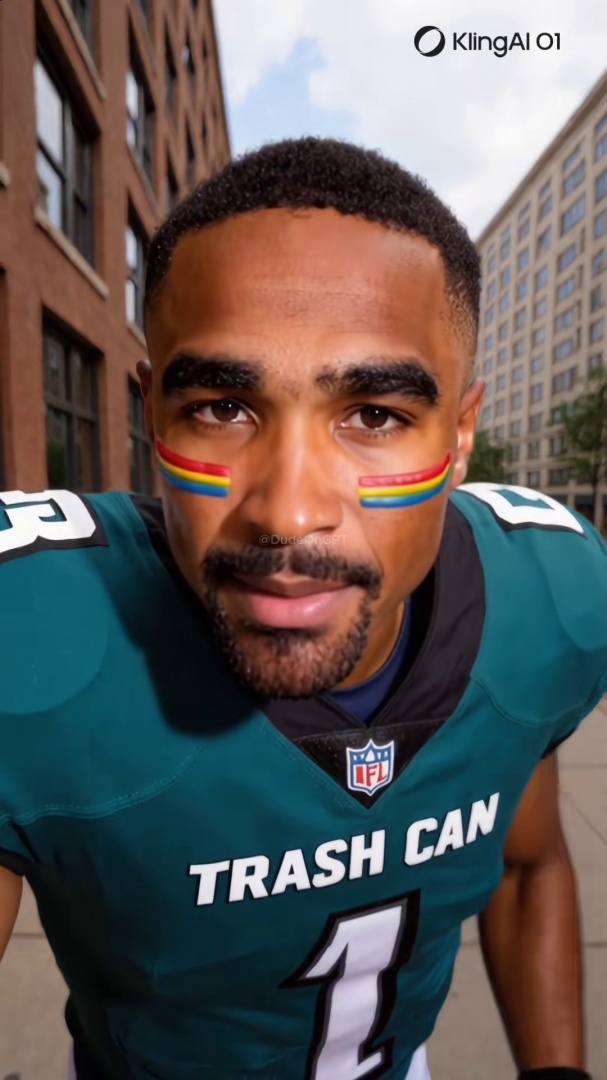
Quick answer: AI-powered romance scams now generate photorealistic profile photos and even real-time video, so the old custom-selfie test is dead. Spot a synthetic or scam dating profile by reverse-image-searching the photos, insisting on a live video call with a hand-over-face gesture, and watching for fast-moving affection, refusal to meet, and any money request.
You match with someone on a dating app. The photos are attractive and varied. The conversation is warm, attentive, and moves fast. Within a week they are calling you sweetheart. They have a reason they cannot meet in person yet, and eventually, a problem that money would solve.
For years the way to test a match like this was simple: ask for a custom selfie, holding today's newspaper or making a specific gesture. In 2026 that test is dead. AI tools generate a photorealistic image of a person holding any object, in any location, on demand. The profile photos can be fully synthetic, and the video call can be a real-time face-swap. Security firms tracking the shift, including KnowBe4 and local-news investigations through May 2026, describe a move from lone scammers behind keyboards to AI-powered operations that are far harder to catch.
This post walks through seven signs a dating profile is AI-generated or scam-operated, the live-call check that still works, and what to do before you send anything.
For the broader technical grounding on how synthetic faces and real-time video are generated, see the pillar guide on what a deepfake actually is.
$1.16 billion
Lost by Americans to romance scams in 2025, per FTC reporting. AI has since lowered the cost of running a convincing fake relationship to near zero, and 2026 loss totals are climbing.
Source: US Federal Trade Commission romance-scam loss data, 2025.
Why AI Dating Profiles Are Harder to Catch in 2026
Three shifts broke the detection methods that used to work.
The custom-photo test is dead. The gold-standard verification for a decade was asking a match to send a selfie holding a sign or a newspaper. Scammers now generate that image instantly, in any setting, holding anything you ask for. A photo that matches your specific request is no longer proof the person is real.
Real-time face-swap can pass a video call. Insisting on a live video call used to expose a scammer. In 2026, consumer real-time face-swap tools let an operator appear as the person in the profile during a live call. The video call is still worth demanding, but only if you run the physical checks below, because a plain video call no longer clears anyone.
One operator runs many relationships at once. Large language models let a single scammer maintain dozens of simultaneous "relationships," each with fluent, localized, attentive conversation. The broken English and obvious copy-paste that used to give scammers away are gone. The same industrialized synthetic-trust playbook appears in fake AI investment groups; romance is the one-to-one version.
Seven Signs a Dating Profile Is AI-Generated or Scam-Operated
These hold up across documented AI romance scams through 2026.
1. Reverse-image search returns nothing or the wrong name. Save the profile photos and run them through Google Images or TinEye. AI-generated faces return zero matches or matches only on AI galleries. Stolen photos of a real person often surface under a different name on other sites, which is just as much a red flag. A real match's photos tend to appear on their own consistent, varied online presence.
2. They refuse or stall live video calls. Scammers avoid live video, or claim they cannot do one (broken camera, bad connection, working offshore). If they do call, the video is short, low-quality, or oddly static. A refusal to ever do a live, interactive video call is one of the strongest signals.
3. Affection escalates far too fast. Love-bombing, intense affection, talk of a future, and pet names within days is a manufactured-intimacy tactic. The speed is designed to build emotional investment before any request for money. Real connection rarely moves at that pace.
4. The story shifts or does not add up. Track the details. A scam persona maintained by an operator juggling many targets will contradict earlier messages: the job changes, the location moves, the family backstory drifts. Inconsistencies across a conversation are a sign the person on the other end is managing a script, not living a life.
5. They never meet in person, and there is always a reason. Deployed overseas, working on an oil rig, stuck in customs, a sudden work trip. The permanent unavailability for an in-person meeting, paired with constant digital intimacy, is the structural shape of the scam.
6. Any request for money, crypto, or gift cards. This is the line that defines the scam. A request for money, cryptocurrency, gift cards, or to "invest" in an opportunity, especially framed as urgent or as an emergency, is the point of the entire operation. No genuine new romantic interest needs your money.
7. They fail the gesture test on a live call. If you do get a video call, ask them to wave a hand slowly across their face or turn fully to profile. Real-time face-swap models tend to break when a hand crosses the face or the head turns past about 60 degrees. The strongest models handle one of these better than older ones, so a single clean test does not clear the call; run more than one. The full set of live checks is in how to tell if someone on a video call is a deepfake.
For the universal visual-tells framework that applies to any AI face, see the 6 visual tells that instantly give away an AI face on video.
Think you found an AI video?
Paste the URL and let the Ledger community verify it. Free.
The 30-Second Verification Flow
A scannable check you can run on any match before the relationship deepens or any money is discussed.
- 0:00–0:10: Save two or three profile photos. Reverse-image-search them on Google Images or TinEye.
- 0:10–0:15: Ask for a live video call now, not later. Watch whether they stall or refuse.
- 0:15–0:20: On the call, ask them to wave a hand slowly across their face. Watch for warping or the swap dropping.
- 0:20–0:25: Ask an unscripted question only the real person could answer naturally. Time the response.
- 0:25–0:30: Re-read the last week of messages for contradictions in the story.
If two or more steps fail, stop investing in the relationship and never send money. The checks are uncomfortable to run on someone you like; the discomfort is exactly what the scam relies on you avoiding.
What to Do If You Suspect a Scam
Three steps in order.
Stop sending money and stop the financial conversation. Not after one more transfer to "help them get home" or "release the funds." The request escalates; it does not resolve. The money is the entire purpose of the relationship, and there is no scenario where sending more ends it well.
Document, reverse-search, and report. Screenshot the profile, the photos, the messages, and any payment details. Report the profile inside the dating app, and file with the FTC at reportfraud.ftc.gov and the FBI Internet Crime Complaint Center at ic3.gov. If you sent cryptocurrency, the crypto-recovery and reporting sequence is the same one used for pig-butchering scams.
Tell someone you trust. Romance scams run on isolation and shame; the operator works to keep the relationship secret. Telling a friend or family member breaks the isolation the scam depends on, and gets you a second perspective before any irreversible decision. There is no shame in being targeted by an industrialized operation built specifically to be convincing.
What Ledger Does Differently
The conversation happens in a dating app's private messages, where no AI-labeling system reaches. The detection skill on the photos and the video call is yours.
What Ledger covers is the surface where the same operator pattern is searchable. Romance-scam operators reuse faces, recycle stolen photos, and often have a video or social-media counterpart that recruited or reinforced the contact. If a profile pointed you to an Instagram account, a TikTok, or a video, paste that URL into the free AI video detector to see whether the account behind it has already been flagged by the community.
If you want to help build the record so the next person who matches with the same operator sees it flagged first, join the iOS or Android waitlist and be among the first to flag accounts when the apps ship.
[APP-DOWNLOAD]
Related Posts
- What Is a Deepfake? A Plain-English Guide for Social Media Users: the technical foundation behind synthetic profile photos and real-time video face-swap
- Deepfake Romance Scams Cost Americans $1.1B in 2025. Here Is How to Spot One.: the full romance-scam playbook, including the crypto-recovery and reporting sequence
- How to Tell If Someone on a Video Call Is a Deepfake: 7 Real-Time Tests: the live-call checks for when a match agrees to video
- How to Tell If an Investment Group Is an AI-Generated Scam: 7 Signs: the industrialized synthetic-trust sibling, where the fake relationship is one-to-many instead of one-to-one