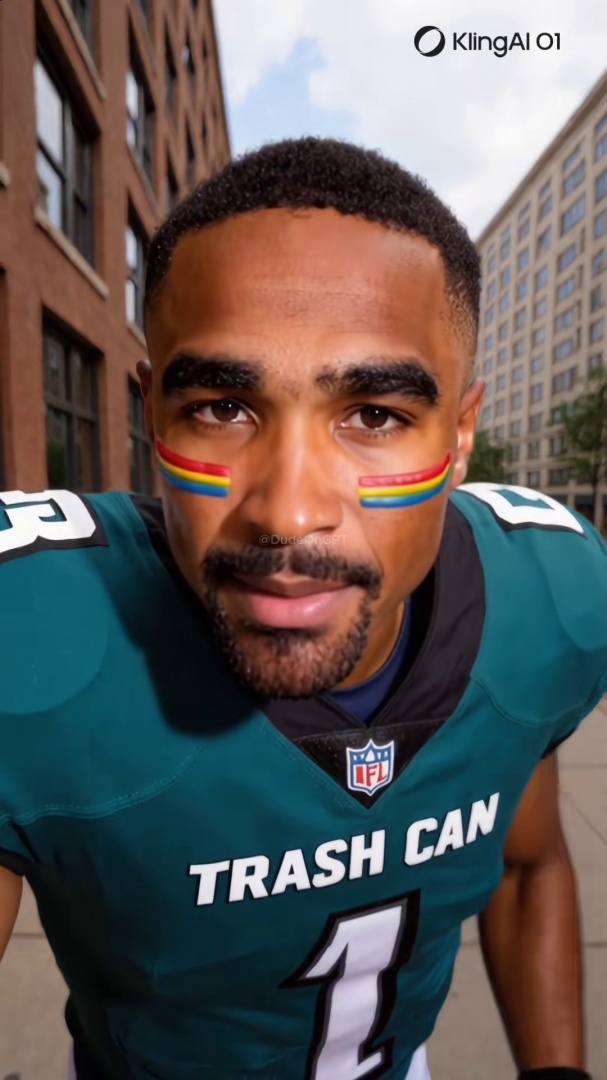
Quick answer: A deepfake is a video, image, or audio file that has been generated or altered by AI to depict something that did not happen. The term covers three distinct categories: face swaps (real video, replaced face), deepfakes proper (real footage, manipulated mouth or audio), and fully synthetic people (no real source). Each fails in different places.
Last year a video of a doctor recommending a supplement went viral on TikTok. The doctor did not exist. The face was generated by an AI model trained on thousands of real faces. The voice was synthesized. The supplement was fake. Thousands of people bought it.
That video was a deepfake. Here is what that word actually means and why it matters every time you open a social media app.
The Word "Deepfake" Actually Covers Three Different Things
Most people use "deepfake" to mean any video that looks real but is not. That is close enough for casual conversation. It is not precise enough to help you spot one.
There are three distinct categories. Each one has different tells.
Face swap: A real video of a real person, with their face replaced by someone else's. The body, voice, and background are genuine. Only the face is swapped. This technique is used in entertainment but also in non-consensual intimate imagery and political manipulation.
Deepfake: A manipulated video of a real person, altered to show them doing or saying something they did not do or say. The source material is real footage. The manipulation changes specific elements, usually the mouth movements and audio, to put different words in someone's mouth.
Fully synthetic person: No real person involved. The face, voice, body, and background are all generated from scratch by an AI model. This is what the fake TikTok doctor was. There is no original footage to trace. The person does not exist.
The distinction matters because the tells are different. A face swap has seam artifacts where the replacement face meets the original neck and ears. A deepfake has lip sync errors because the mouth movements were generated to match new audio. A fully synthetic person has the full range of generation errors: hands, eyes, skin texture, background warping.
Understanding How They Are Made Tells You Where to Look
You do not need technical knowledge to spot a deepfake. Understanding the basics helps you know where to point your attention.
Face swaps use a model trained on images of the target face. The model learns to map the target's facial geometry onto the source video frame by frame. Quality depends on how many source images were used and how close the lighting and angle match between source and target.
Deepfakes (the lip sync variety) start with real footage, then use a model to generate new mouth movements that match a different audio track. The face is real. The words are not.
Fully synthetic video starts with a text prompt or a reference image and generates every pixel from scratch. Models like Sora, Kling, and Seedance do this. The output has no original footage to compare against. That is why platform watermarking and community reporting both matter.
Platform Labels Were Never Designed to Catch Everything
Both TikTok and Instagram use automated systems to label AI-generated content. TikTok uses C2PA metadata, a technical standard that embeds a label into the file at the point of creation. Instagram uses a similar system plus self-disclosure requirements for creators.
The problem is straightforward: metadata can be stripped. Running a video through a screen recorder, a compression tool, or a third-party editor removes the C2PA tag. A video that was labeled at creation can arrive on your feed without any label at all.
Platform labels are a first layer, not a complete one.
According to TikTok's Q1 2026 transparency report, the platform removed 2.3 million AI-generated videos in three months. That figure covers what their systems caught. It does not cover what they missed. What the numbers cannot tell you is how many unlabeled videos made it to your For You page and performed well before anyone noticed.
That gap is the reason community detection matters.
Test What You Have Learned
Reading about deepfakes is one thing. Spotting them under time pressure is another. Ledger's Train Your Eye mode puts real and AI-generated clips in front of you and scores your accuracy. Start with zero assumptions and see how sharp your eye actually is.
Train your eye at ledgerapp.app/play
Related Posts
- How to Tell If a TikTok Video Is AI-Generated: 7 Signs to Check Right Now: the platform-specific detection guide with the visual tells that give AI video away
- The 6 Visual Tells That Instantly Give Away an AI Face on Video: a closer look at the face-specific signals that reveal synthetic content
- Deepfake, Face Swap, AI-Generated Person: What the Difference Actually Means: the three distinct categories of synthetic video and why mixing them up leads to the wrong detection approach
- How to Report a Deepfake on TikTok, Instagram, or Facebook: the step-by-step action guide for after you have spotted something suspicious