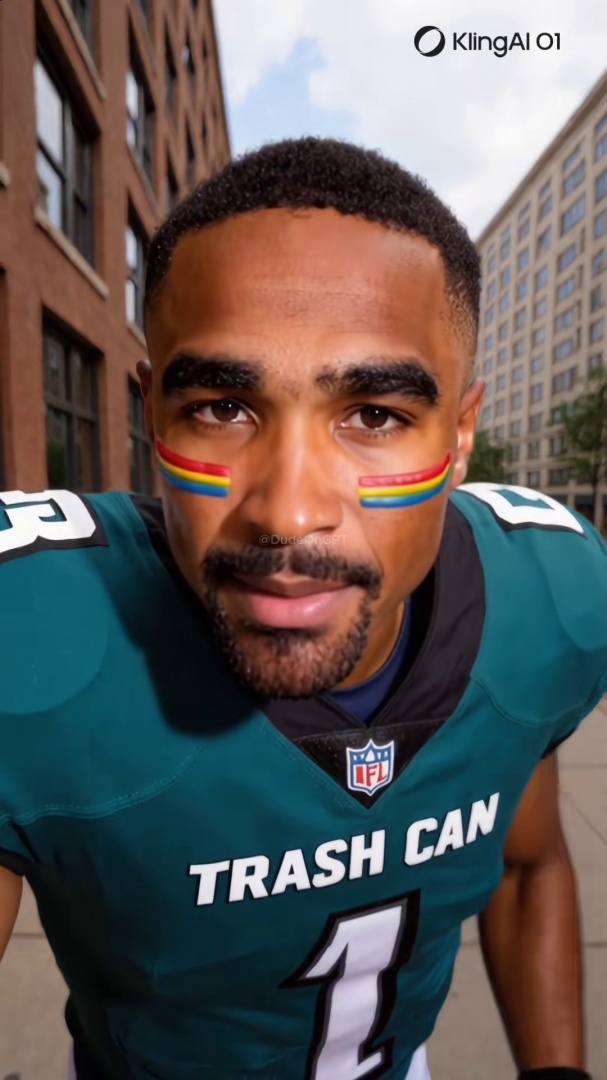
Quick answer: If you see a video of a celebrity endorsing a crypto platform, it is almost certainly an AI-generated deepfake. The FTC and Finance Complaint List warned of a surge in April 2026. Check for lip-sync gaps, urgency framing, and the absence of the claim on credible news sources before investing anything.
A video of Elon Musk is recommending a crypto platform. He looks straight at camera. His voice sounds right. He explains the investment clearly. He tells you to act fast.
He did not make that video. Nobody paid him to appear in it. The face, the voice, and the script were all generated by AI. The platform is fraudulent. The people who invested lost money.
This is the current shape of deepfake fraud on social media. It targets people who trust a recognizable face. It runs on TikTok, Instagram, Facebook, and YouTube. And it is growing.
What Is Happening Right Now
In April 2026, Finance Complaint List issued a public warning about a surge in AI-generated celebrity endorsement scams targeting crypto investors. The scams use fabricated videos of well-known public figures, including business leaders, athletes, and entertainment figures, to promote fraudulent investment platforms.
The FTC has separately warned that AI-powered voice cloning and video impersonation are among the fastest-growing fraud vectors in the U.S. The agency notes that the technology required to generate a convincing fake has dropped in cost to the point where it is accessible to low-budget fraud operations, not just nation-states.
The fraud pattern is consistent across cases:
- A video appears on a platform showing a recognizable person endorsing a specific crypto product
- The video links to a landing page that looks professional
- The platform accepts deposits and shows fake account growth
- Withdrawals are blocked or the platform disappears
Victims often report that the video was the reason they trusted the platform. The face was the entire credibility signal.
Consider a specific scenario: a 58-year-old retiree in Ohio sees a video of Warren Buffett explaining a new crypto opportunity. The video is 90 seconds long, articulate, and calm. There are no obvious glitches. She invests $4,000. The platform goes dark three weeks later. This scenario is not hypothetical. Variants of it are documented in FTC complaint filings across 2025 and 2026.
Why Recognition Is a More Powerful Signal Than You Think
Recognition is the point. A scammer who creates a fake crypto platform needs viewers to bypass their skepticism quickly. A familiar face does that faster than any other trust signal.
The most targeted celebrities in this category are people associated with wealth or business success. The association does not need to be direct. If a viewer believes the celebrity is generally financially sophisticated, they are more susceptible to a fake endorsement from them.
None of these videos require the celebrity's participation. The AI model needs only publicly available footage and audio. A celebrity who has given interviews, appeared in videos, or spoken at public events has already provided enough source material.
That is worth sitting with. Every public interview a person has ever given is now, in principle, training material for a fake version of them.
How to Identify a Fake Celebrity Endorsement Video
The visual tells for AI-generated celebrity video are the same as for any AI video, but there are additional behavioral signals specific to this scam format.
The list below is a starting point. The behavioral signals, not the visual ones, are usually the faster catch.
Watch for urgency framing. Real celebrity endorsements, when they exist, are not time-limited. Fake ones almost always include phrases like "limited spots", "only available until Friday", or "act before the algorithm buries this." Urgency is manufactured to prevent the viewer from verifying the claim.
Check the posting account. Fake celebrity endorsement videos circulate from accounts with short histories, no original content, and follower counts that do not match engagement. A video with 50,000 views posted by an account with 12 followers and a creation date of two weeks ago is not organic traffic.
Look at the lip sync. AI lip sync fails most visibly on words that require the lips to fully close and reopen: words beginning with B, P, or M. Watch one of these words in slow motion if the platform allows it. If the lips approximate the movement without completing it, the video was generated.
Look at the eyes. AI-generated faces blink differently than real faces. Real blinks involve the entire eye area including the brow and lower lid. AI blinks are often incomplete or happen at unnaturally even intervals.
Check the background. When a generated subject moves their head, the background sometimes warps subtly at the edges of the frame. Real footage does not do this.
Search for the claim independently. If a celebrity is genuinely endorsing a financial product, it will appear in credible news sources, on their verified social accounts, and in official press releases. A claim that exists only as a social media video is a red flag regardless of how convincing the video looks.
What to Do If You Have Seen One of These Videos
Do not invest. Do not share the video. Report it to the platform using the misleading content or scam category. The full reporting sequence, including what to document before you report and how to preserve evidence if the content gets removed, is in how to report a deepfake on TikTok, Instagram, or Facebook.
If you have already sent money to a platform linked to one of these videos, file a complaint with the FTC at reportfraud.ftc.gov and contact your bank or payment provider immediately. Acting within the first 48 hours gives you the best chance of recovering funds through a chargeback or dispute.
If you want to check whether a specific video or account has already been flagged by the Ledger community, paste the URL below.
The Broader Pattern
Celebrity deepfake fraud is one application of a wider category: AI-generated video used to manufacture trust that the creator has not earned.
Detection is not foolproof. The most sophisticated fakes are genuinely difficult to catch on a single watch. The detection skill you build over time is what matters, not any single tool or checklist.
The same technology that puts false words in a politician's mouth puts false endorsements in a celebrity's mouth. The underlying detection skill is the same in both cases. You are looking for the tells that AI video cannot yet hide: lip sync, blink patterns, edge artifacts, and the behavioral signals that surround the content.
Understanding how deepfakes are made makes these signals easier to spot, because you know which parts of the generation process fail under close observation. The tells in a political deepfake and the tells in a celebrity crypto scam come from the same underlying production constraints.
Related Posts
- What Is a Deepfake? A Plain-English Guide for Social Media Users: how these videos are generated and why certain visual tells are structural, not accidental
- Deepfake Doctors Are Selling Fake Supplements on TikTok: the same fake-authority endorsement pattern applied to health products instead of crypto
- The $25 Million Wire Transfer That a Deepfake Approved: what happens when the same face-cloning technology is used against finance teams instead of retail investors
- Is It Illegal to Make a Deepfake? What the Law Actually Says in 2026: how fraud statutes apply when the deepfake is the method and wire fraud is the crime