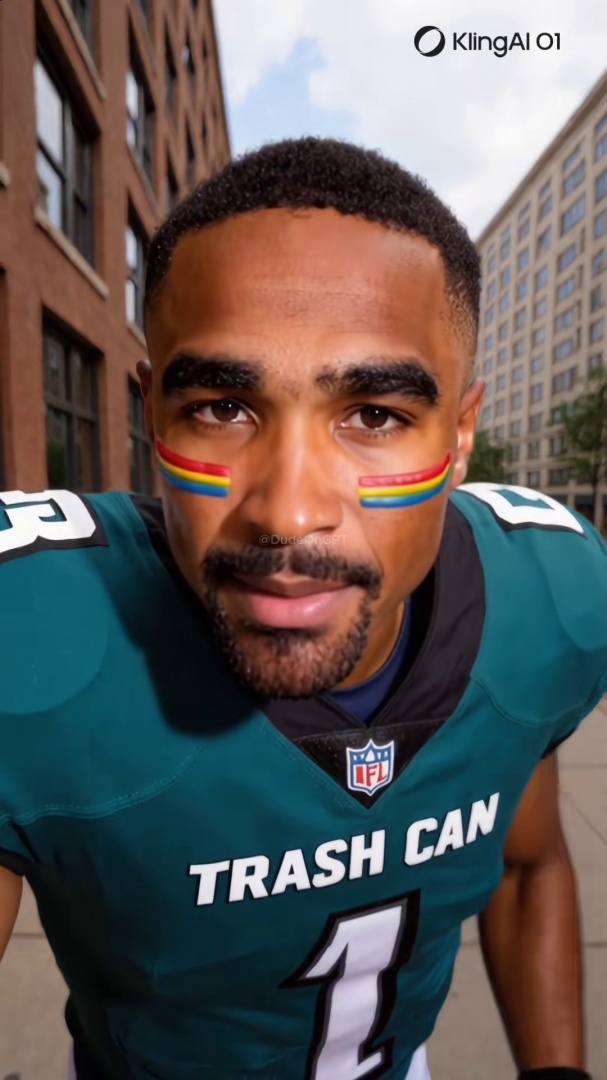
Quick answer: A March 2026 Malwarebytes investigation documented industrial-scale scam compounds in Cambodia, Myanmar, and Laos hiring real people whose faces are replaced in real time by AI face-swap to match the persona the victim expects. Recruitment ads describe roles handling about 100 live video calls per day. The hybrid defeats "demand a video call" as a stand-alone safety check.
For years the safety advice for an online romance or investment match has been the same: insist on a live video call. Real people show up; scammers do not. In 2026 that defense broke. Scam compounds now run a hybrid: a real person on the call, providing the warmth, the timing, and the unscripted human responses that a pure deepfake cannot, while AI face-swap software in real time replaces the operator's face with the face the victim expects to see.
The victim gets a live video call from the person in the profile photos. The operator on the other end is a different person, in a different country, sometimes in coerced employment, wearing a digital mask. The defense the victim thought they were running has been turned into the operation's most convincing tool.
What the Reporting Found
A March 2026 Malwarebytes investigation, corroborated by reporting in Inc., documented the mechanism in detail. Scam compounds across Southeast Asia, the same operations behind pig-butchering crypto scams and large-scale romance fraud, are recruiting workers specifically described as "AI models" for the video-call role.
The job is to be on camera. When a victim asks for a video call, the chat operator who has been running the text relationship hands off to one of these specialists. The specialist's face is replaced in real time by deepfake software to match the persona the victim has been building an emotional relationship with for weeks. The specialist provides what AI alone cannot: real eye contact, real micro-expressions, real conversational timing, and the ability to react to whatever the victim says.
Recruitment ads documented by Humanity Research Consultancy describe roles handling roughly 100 live video calls per day. One identified applicant, a 24-year-old Uzbekistani calling herself "Angel," was applying to one such role from inside the recruitment funnel the compounds use. Many of the workers themselves are trafficked or coerced, held in compounds under conditions independent reporting has documented as forced labor, including physical beatings. The operation is exploitative on both ends of the call.
~100 video calls per day
The throughput per "AI model" worker described in recruitment ads for scam compounds across Cambodia, Myanmar, and Laos in 2026. A single compound running dozens of these workers can put a custom-faced video relationship in front of thousands of victims per week.
Source: Malwarebytes, March 2026; Humanity Research Consultancy documentation cited in same reporting.
Why This Defeats the Old Video-Call Safety Check
The "ask for a live video call" defense rested on two assumptions, both of which the hybrid breaks.
The first was that scammers could not produce live video of the person they were impersonating. Pre-recorded clips were the limit, and a live call with unscripted prompts would expose the fake. The hybrid solves this with a real human on the call. Whatever you ask, the operator can answer; whatever expression the moment calls for, the operator can produce. The face just happens to be someone else's.
The second was that the technical artifacts of real-time face-swap would be visible: edges around the jawline, glitches when the head turned, lighting that did not match the room. Current consumer face-swap pipelines have closed most of these gaps for front-facing, well-lit calls, which is the format these operations stage. The compound controls the lighting, the camera angle, and the background. The artifacts that would show up under harder conditions (sudden movement, hand crossing the face, profile turn) do not appear unless the victim specifically asks for them.
The defense that still works is the same one that worked before face-swap: behavioral verification. Run the physical tests on a live video call (hand across face, profile turn, sudden light change), and treat refusal or any visible failure on any one of them as a stop signal. The hybrid still tends to break under those tests, because real-time face-swap pipelines continue to struggle with hand occlusion and sharp angle changes regardless of how good the operator on the other end is.
What This Means for You
The takeaway is not "do not trust video calls." It is "the call is one data point, and the assumption that a live call clears the match is no longer safe."
Run the gesture test on every video call with a new online relationship. Three fingers across the face, a 90-degree profile turn, a sudden light from your phone flashlight. The full sequence is in the video-call detection guide. The compound's training does not always extend to teaching the operator how to refuse these requests gracefully; the refusal is often more revealing than the failed swap.
Treat the relationship as the test, not any single check. A real new relationship can hand you a real phone number, a real workplace, real friends who can vouch, real shared events. A compound-run relationship has none of these. Any single check (a clean video call, a custom photo, a friendly voice note) can be staged; the breadth of a real life cannot.
Recognize the human cost on the other end of the call. The "AI model" on the other end is in many cases someone who is also being exploited. Not engaging with the call is the move that helps both you and them, because revenue is the only reason the compound exists. Reporting the scam to the FTC and the FBI IC3 feeds the investigations that target the operators, not the workers.
If a video or social profile pulled you into a relationship that escalated into a video call you are now suspicious of, paste the originating URL below to check whether the account behind it has been flagged by the Ledger community.
Think you found an AI video?
Paste the URL and let the Ledger community verify it. Free.
The Bigger Pattern
The hybrid is the operator-side echo of the Truman Show investment scam: industrial-scale synthetic trust, built by combining AI components with cheap (often coerced) human labor to defeat the defenses victims have learned. The underlying technology, covered in the pillar guide on what a deepfake actually is, did not change; what changed is that operators learned to pair the AI with humans to cover its weaknesses. Every defense that depended on "AI cannot do this yet" now has a hybrid version where a human supplies what the AI cannot, while AI does the part the human cannot do plausibly.
The defense moves with it. The video-call check is no longer a verdict on its own; it is a setting in which you run the physical tests that still expose the hybrid. The match's life outside the call, verifiable through people and contexts that exist independently of the operator, is what closes the gap that the hybrid opened.
Related Posts
- How to Tell If Someone on a Video Call Is a Deepfake: 7 Real-Time Tests: the live-call test sequence that still exposes the hybrid
- Deepfake Romance Scams Cost Americans $1.1B in 2025. Here Is How to Spot One.: the romance-scam playbook the compounds run at scale
- How to Tell If a Dating Profile Is AI-Generated or a Scam: 7 Signs: the upstream check on the profile that started the relationship before the video call
- How to Tell If an Investment Group Is an AI-Generated Scam: 7 Signs: the industrialized synthetic-trust sibling, the one-to-many version of the same operator pattern