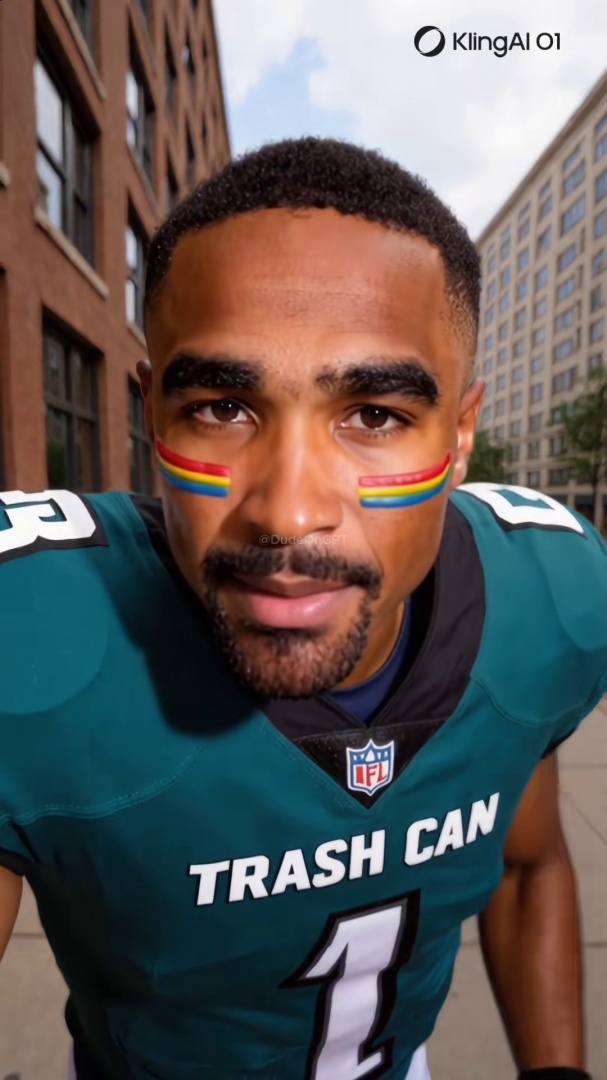
Quick answer: AI-generated fake sports content, the format known as AI slop, has hit fandoms across the NFL, NBA, MLB, NHL, NASCAR, F1, and tennis. Athletes face fabricated quotes attributed to them, and fans are defrauded through impersonation accounts on fake fan pages. To spot it, verify any quote against the team's verified account before sharing or sending money.
A woman in Atlanta saw a Braves fan-page post saying outfielder Austin Riley was giving away signed gear and accepting small donations to a children's hospital fund. She sent $2,000. The page was AI-generated. Riley had no involvement. The donation went to a scammer. The fan page kept running.
This is the new shape of sports media in 2026.
In January, the AI risk firm Alethea published a report titled NFL Fan Free Zone documenting a surge in AI-generated fake sports content the firm calls AI slop. The report, later cited by Reuters, found coordinated networks producing fake game updates, manufactured player quotes, fake injury announcements, and impersonation fan pages. The OECD logged the case as an AI incident on January 17, 2026.
9 sports leagues Targeted by AI slop networks documented in Alethea's NFL Fan Free Zone report: NFL, NBA, WNBA, MLB, NHL, NASCAR, Formula 1, IndyCar, and professional tennis. The same fake-fan-page playbook runs across all of them. Source: Alethea, January 2026
What AI Slop Looks Like in Practice
The Alethea report and follow-on reporting documented multiple specific incidents in late 2025 and early 2026. The pattern is wide enough that no major sport has been spared.
Retired NFL center Jason Kelce never said Super Bowl 2026 halftime singer Bad Bunny's critics were a bad fit for America's future. San Francisco 49ers tight end George Kittle never went on a political rant about activist Charlie Kirk. Both quotes were fabricated, both spread widely on fake fan pages, and both players had to publicly deny statements they never made.
A viral AI video of golfer Rory McIlroy declaring he would never play golf in the US again after the Ryder Cup circulated for days before fact-checkers caught up. The clip was AI-generated. McIlroy made no such statement.
In a separate political case, the White House posted an AI-altered TikTok video of Ottawa Senators captain Brady Tkachuk at a press conference mocking Canada. The clip was labeled as AI but still ran. Sportico reported that legal experts expect a wave of NIL (name, image, likeness) lawsuits over deepfakes like this one.
A Baltimore Ravens-related cluster surfaced contradictory simultaneous fake announcements that former coach John Harbaugh had been hired by multiple different teams at the same time. The contradictions are the telltale of AI farms publishing rotating templates rather than verified news.
For fans, the financial side carries the same pattern. Atlanta Braves supporters lost thousands to AI-generated impersonation accounts running fake charity giveaways and signed-gear raffles. The $2,000 Austin Riley case is one of many.
The AI Slop Playbook
The operations Alethea documented follow a consistent template. The same template runs across every league.
Fake fan pages. Accounts created with team logos, player photos, and names like BravesNation Fans or Niners Fan Hub. The pages publish AI-generated images and rotated templates of outrage-bait content. Follower counts grow fast because the algorithmic surface for sports content is enormous and the engagement bar is low.
Identical stories with rotating player names. A "player gives away pickup truck" story published on a Cardinals page reappears on a Phillies page with the player swapped. The template never changes. The names rotate. This is the AI farm signature.
Fabricated quotes attributed to athletes. Politicized statements that never happened. The structure is always the same: bold quote, no source link, no video, no verified post. The quote spreads in screenshot form across spam networks before any fact-checker can catch it.
Comment-section impersonation. Scammers posting as players in real fan-page comments, then moving conversations to private DMs where they build parasocial trust before asking for money or investment advice.
Contradictory simultaneous announcements. The Harbaugh case. AI farms publish "hired by team A" and "hired by team B" at the same time because the system is generating templated content from a list of names and outcomes, not reporting facts.
Phishing redirects. Outbound links from these pages frequently route through redirects that scrape user data or attempt credential harvesting. Security researchers flagged links from multiple AI slop networks for malicious behavior.
Ad revenue siphoning. Engagement on fake pages displaces ad spend that would otherwise reach legitimate sports journalists. The fraud has structural impact on the business model of real sports reporting.
Think you found an AI video?
Paste the URL and let the Ledger community verify it. Free.
Why Sports Fandoms Are Uniquely Vulnerable
Sports fandoms are uniquely vulnerable: emotional engagement suppresses the instinct to verify, the real-time news cycle conditions fans to consume without waiting for confirmation, team-branded fake fan pages look authentic at a glance, and parasocial player relationships give impersonators a built-in social hook. Older sports fans skew more vulnerable to impersonation fraud, matching the FTC pattern. The combination is a perfect set of conditions for the AI slop economy.
How to Verify a Sports Claim Before You Share
Run through these checks in 60 seconds. Check the team's verified account on Instagram, X, or Threads — the authoritative source for player statements and trades. If the verified team account has not posted about the claim, treat it as unverified. Check whether reputable outlets carry the story: ESPN, The Athletic, Reuters, AP, and league-specific outlets do not run on the AI farm timeline. If only fan pages have it, it is fabricated. Search the exact quote in Google with quotation marks; AI-generated quotes appear only on aggregator blogs. Check the fan page's history — fast-growth pages with no organic creator are almost always AI farms. Reverse-image search the player photo to catch repurposed visuals. For video, apply the 6 Visual Tells.
What to Do When You Find AI Slop
Do not share, even with a warning attached, and do not engage in the comments — both signal the algorithm that the content is interesting. Report the content under Synthetic or manipulated media (the full flow is in How to Report a Deepfake on TikTok, Instagram, or Facebook). Tell the affected athlete or team via their verified account; PR teams move takedowns faster than the platform queue. And flag the account on Ledger — AI slop operators run the same playbook across leagues with rotated player names, and the community record persists across platform-takedown resets in a way per-post enforcement does not. The same pattern is documented in the celebrity crypto deepfake wave.
The economics of AI slop are not changing soon: production cost is near zero, ad revenue and fraud capture is meaningful, and platforms enforce per-post not per-operator. What does change is reader behavior. A fan who pauses 60 seconds to verify against the team's verified account breaks the propagation chain. The nine leagues Alethea documented are the ones already seen — the same playbook runs on every fandom with monetizable engagement.
Related Posts
- What Is a Deepfake? A Plain-English Guide for Social Media Users: the technical grounding for how AI generates fake faces, voices, and video
- The 6 Visual Tells That Instantly Give Away an AI Face on Video: the visual detection checklist that applies to AI-generated athlete videos
- That Celebrity Crypto Video Is Probably a Deepfake: the same impersonation-and-endorsement playbook applied to financial fraud
- How to Report a Deepfake on TikTok, Instagram, or Facebook: the reporting flow for synthetic content across major platforms