Quick answer: AI-generated Instagram models like Aitana López look photorealistic, so the old visual tells are fading. Spot a synthetic persona by checking for a too-perfect feed with no aging or candid moments, repeated backgrounds, hand and jewelry artifacts, a bio link straight to Fanvue, and by reverse-image-searching the photos and searching the name.
You follow a model on Instagram. The photos are flawless. The brand deals look legitimate, Victoria's Secret, a haircare line, a swimwear label. The follower count is in the hundreds of thousands. Something about the feed feels a little too consistent, but you cannot name it.
She is one of a growing category of Instagram models who are not people at all. AI-generated Instagram models are a managed business in 2026. The best-known, Aitana López, is run by a Barcelona agency with a team of eleven people, has close to 400,000 followers, and books real brand sponsorships. She is rendered, not photographed.
This is not a niche curiosity. A New York Post street poll in 2026 showed people six influencers and asked them to pick out the AI ones. Not a single person got all six right. This post walks through seven signs that a model or influencer is synthetic, the 30-second check you can run on any profile, and what to do before you follow, subscribe, or pay.
For the broader technical grounding on how these personas are generated, see the pillar guide on what a deepfake actually is.
0 of 6
The number of AI influencers correctly identified by a single respondent in a 2026 New York Post street poll that mixed six AI-generated and real influencers. Not one person picked out all the synthetic ones.
Source: New York Post AI-influencer street poll, 2026.
Why AI Instagram Personas Are Hard to Spot in 2026
Three things make the synthetic-model problem harder than it was even a year ago.
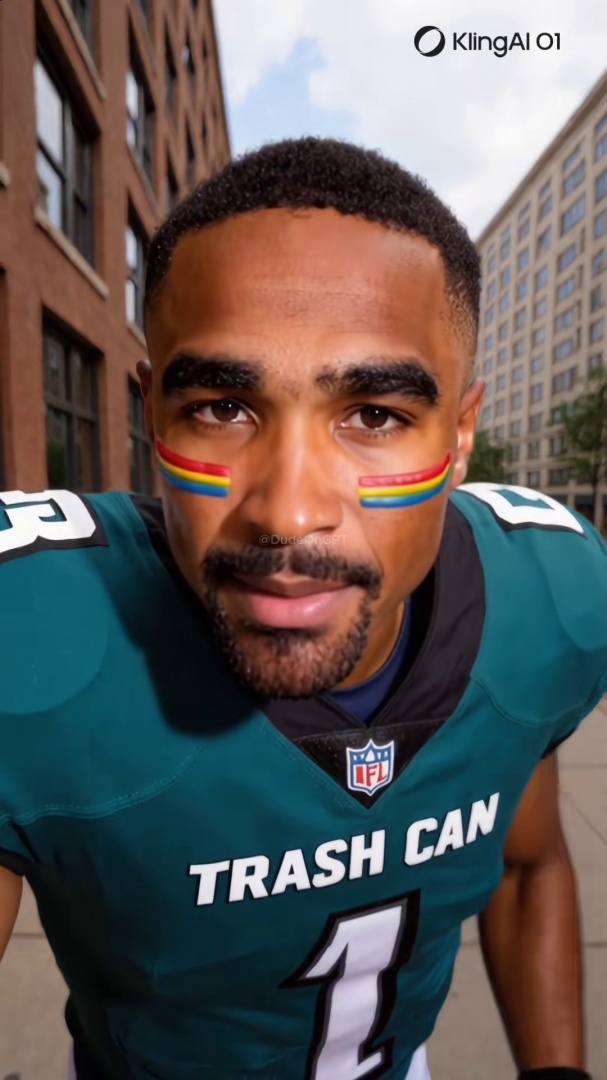
Photorealism crossed the threshold for static images. The visual artifacts that used to give AI faces away (plastic skin, melted backgrounds) are largely fixed in 2026 image models for posed, single-subject portraits. A still photo of a synthetic model on a feed can be genuinely indistinguishable from a photographed one at a glance. The tells that survive are mostly in the edges (hands, jewelry, text) and in the pattern of the feed, not the face.
Disclosure is optional and usually buried. Some agencies do label their personas as AI, but the disclosure often sits deep in a bio behind extra clicks, or in a single pinned post nobody reads. Most synthetic personas do not disclose at all. The "Made with AI" labels that exist on individual posts depend on metadata that the agency controls and can omit.
The persona is a managed product, not a hobby. Aitana López is produced by an eleven-person team. That means professional lighting, consistent posting cadence, brand-safe content, and a coherent backstory, all the signals a viewer reads as "real working creator." The production quality that should reassure you is exactly what the operation invests in.
The EU AI Act's labeling rules tighten for EU audiences in August 2026, but US-side disclosure remains voluntary. Until that changes, the label is one signal among many, not a verdict.
Seven Signs an Instagram Model Is AI-Generated
These hold up across documented synthetic personas through 2026.
1. The feed is too perfect, with no candid life. Real creators have off days: bad lighting, messy rooms, unflattering angles, aging across years of posts. Synthetic personas do not age, tire, or have a bad-hair day. If every photo across two years looks like a finished campaign shot with no human mess, that consistency is the tell.
2. Backgrounds and settings repeat. AI personas are generated from a limited set of scenes and prompts. Scroll the grid and watch for the same room, the same lighting setup, the same handful of locations recycled across many posts. Real people accumulate genuinely varied backgrounds because they move through a real world.
3. Hands, jewelry, and text are still the weak points. Faces are solved; hands, rings, earrings, watch faces, and any text in the frame (signs, labels, phone screens) are not. Zoom into two or three photos. Fused or extra fingers, jewelry that merges into skin, and garbled text are the most reliable single-image tells in 2026.
4. The bio link goes straight to a paywall. A bio link that leads directly to Fanvue, OnlyFans, or a subscription page, with no real personal site or verifiable business, is a strong signal. The synthetic-model business model is documented in detail in how an AI Instagram model made $80,000 in a week; the paywall is the monetization engine the persona exists to feed.
5. There is no verifiable real-world footprint. Real people get tagged by friends, show up in others' photos, attend real events, and appear in contexts they did not stage. A synthetic persona has no candid tagged photos, no friends who post them, and no presence at real-world events. The only images of them are the ones the operation produced. Check the tagged-photos tab specifically: a real person with hundreds of thousands of followers accumulates a messy pile of photos other people took, while a synthetic persona's tagged tab is empty, curated, or filled only with reposts of the operation's own content. The absence of other people's cameras is one of the hardest signals for an operator to fake.
6. Reverse-image search returns AI galleries or nothing. Screenshot a clear face shot and run it through Google Images or TinEye. A synthetic persona's images return either zero matches or matches only on AI image galleries and prompt-sharing sites. A real person surfaces across friends' tags, news, professional sites, and varied real-world contexts.
7. Searching the name resolves it fast. Most prominent AI personas are documented as AI in news coverage and influencer roundups. Search the name plus "AI." If the first results are articles explaining that the model is synthetic, you have your answer in five seconds.
For the universal visual-tells framework that applies to any AI face on any platform, see the 6 visual tells that instantly give away an AI face on video. The seven signs above are the Instagram-persona application of those principles.
Think you found an AI video?
Paste the URL and let the Ledger community verify it. Free.
The 30-Second Verification Flow
A scannable check you can run on any Instagram profile before you follow, subscribe, or trust a brand endorsement.
- 0:00–0:05: Open the bio. Check the link target. A straight-to-Fanvue or straight-to-paywall link is the first flag.
- 0:05–0:15: Scroll the grid. Look for candid moments, aging, real-world mess, and varied backgrounds, or studio-perfect repetition.
- 0:15–0:20: Zoom into two or three photos. Check hands, jewelry, ear and hairline edges, and any text in frame.
- 0:20–0:25: Reverse-image-search a clear face shot.
- 0:25–0:30: Search the name plus "AI" on Google.
If two or more steps fail, treat the account as synthetic. That is not automatically a scam, plenty of AI personas disclose, but it changes how much weight you give their endorsements and whether you pay for anything behind the bio link.
What to Do When You Find One
Three steps in order.
Do not pay behind the bio link without verifying. The synthetic-model business runs on subscriptions to a paywalled feed. If the persona is undisclosed AI and the link goes to Fanvue or a similar platform, you are paying a content operation for AI-generated images, not supporting a creator. Decide with that in mind.
Report it if it impersonates a real person or runs a scam. A synthetic persona that uses a real person's face, or that pushes a fraudulent product or investment, violates Instagram policy. Report through the three-dot menu, choosing impersonation or scam as relevant. A persona that is openly AI and breaks no rules is not reportable, just disclosed.
Document the operator if it looks coordinated. Synthetic-model operations run clusters of accounts from the same template. If you find one, screenshot the bio, the grid, the bio link target, and a few representative posts. The account gets recreated under new handles; your documentation persists across the takedowns.
What Ledger Does Differently
Instagram's "Made with AI" label is a metadata check the operator controls and routinely omits. Most synthetic personas you encounter in 2026 carry no label at all.
A community-built record of flagged AI accounts persists across platform takedowns. When Ledger users flag a synthetic Instagram persona, the flag stays attached to the operator pattern: the photo set, the bio link target, the posting style. The next time the same operation spins up a new handle from the same template, the cumulative flag history is searchable.
If you came here wanting to verify whether a specific Instagram model or account is AI-generated, that is what Ledger is for. Paste the URL or the @username into the free AI video detector. Free, no signup, no fees.
If you want to help build the record so the next person who lands on a synthetic persona sees it flagged before they subscribe, join the iOS or Android waitlist and be among the first to flag accounts when the apps ship.
[APP-DOWNLOAD]
Related Posts
- What Is a Deepfake? A Plain-English Guide for Social Media Users: the technical foundation that explains how a fully synthetic persona is generated and kept consistent
- An AI Instagram Model Made $80,000 in a Week. Here Is How the Scam Works.: the business model behind the paywall that most synthetic personas funnel toward
- How to Tell If an Instagram Reel Is AI-Generated: 7 Signs to Check Before You Share: the video sibling, for when a synthetic persona posts Reels rather than stills
- The 6 Visual Tells That Instantly Give Away an AI Face on Video: the universal face-detection framework underneath the seven signs above